These insights are part of my Speaking the Unspeakable newsletter. They are for: the intellectually curious, the leaders, practitioners, and communities navigating disruption in real time. It is for those who need more than headlines, and who are looking for deeper interpretation, practical implications, and ways to respond with clarity, presence, and responsibility in a changing world.

A more resilient Australia: building a distributed national capability
Australia has spent years talking about resilience and shared responsibility. But as the risks we face become more severe, interconnected and capable of disrupting several systems at once, I think we need to take the next step. In this article, I explore what a genuinely more resilient Australia might look like, and propose the idea of distributed national capability: building useful capability across society, while strengthening the relationships that allow its different parts to support one another when conditions become difficult. It is less a blueprint than an invitation to think differently about how we prepare for the decades ahead.

Every manager is a health and safety issue
Most organisations say they care about staff wellbeing, but the real test is how work is actually designed and managed. Drawing on research from humanitarian workers, emergency responders and mainstream workplaces — as well as my own experience managing teams — this piece explores how leaders can become either a source of psychosocial harm or a protective factor, why chronic overload should not be confused with high performance, and what it means to build workplaces where people can work hard without being slowly consumed by the work.

Why we are so bad at caring for ourselves
We know more about wellbeing than any previous generation, yet a great many people remain deeply depleted. This article asks why caring for ourselves has become so difficult, looking at what exhaustion does to our capacity to act, the lives we have built with almost no margin, the way even work we love can consume us, and the unequal freedom people have to change any of it. It also offers practical ways forward, from noticing what is really draining us to sharing the work of care with the people around us.
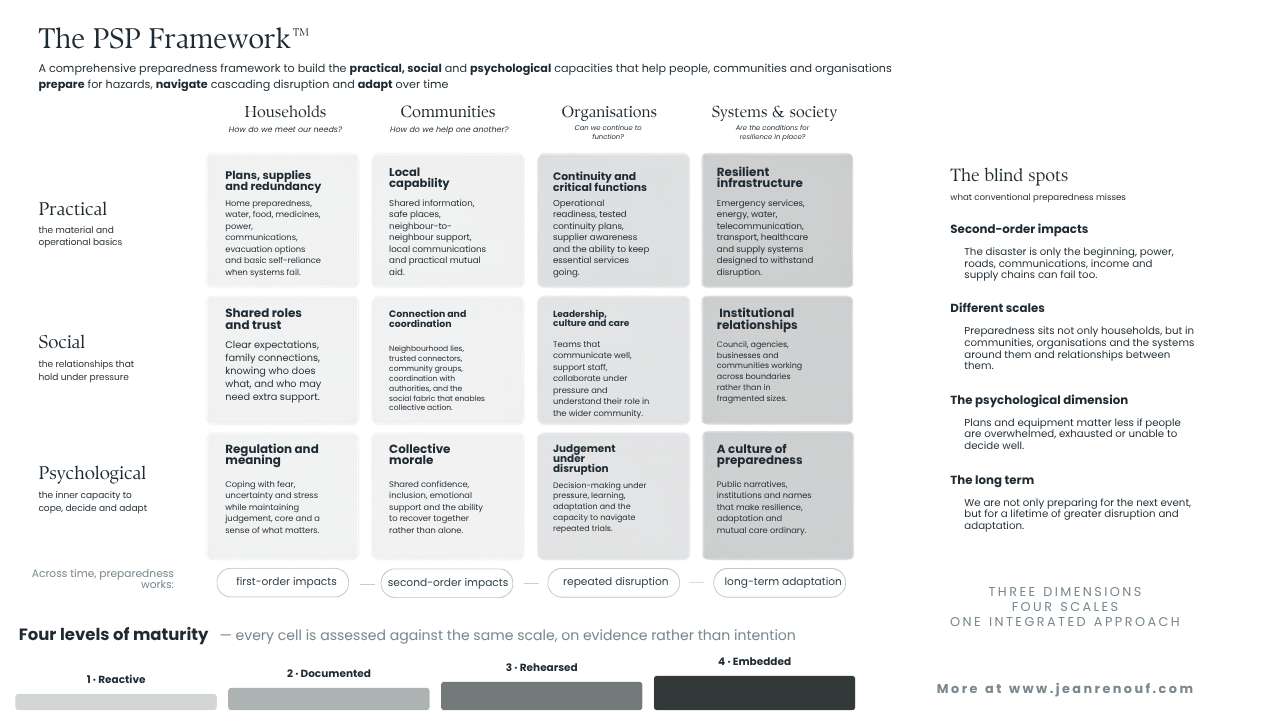
Stop preparing for the next disaster. Start preparing for a lifetime of disruption
September is a good time to prepare for the coming disaster season, but preparedness now needs to mean more than emergency kits, evacuation plans and clearing gutters. We also need to think about the cascading consequences of disasters, the people and systems we depend on, our psychological capacity to cope with disruption, and the resilience of the organisations and communities around us. More fundamentally, we may need to stop thinking of preparedness as something we do for the next emergency, and start thinking of it as a long-term capability for living through a more uncertain and disrupted future.

Who are we becoming because of AI?
New major technologies tend to radically transform the societies they emerge within, but AI is the first one beginning to act on its own. If history is any guide, its effects will reach far beyond which jobs disappear or what the technology itself can do. AI could reshape how wealth is created and distributed, what expertise is worth, who holds power, and perhaps even how we understand work and our own value within society. The transition is unlikely to be smooth, and the choices we make about who owns and governs AI, and what we ultimately use its capabilities for, will help determine what emerges from it. Most of our attention is going to the question of what AI will become. This essay asks the other one: who are we becoming because of AI, and could this moment of disruption be used to build a society in which people and the wider living world can flourish?

Leading together in polycrisis: influencing what’s next for thriving, not just surviving
Polycrisis is not a set of separate emergencies but tangled ones, and leadership approaches that try to solve climate, inequality, polarisation and institutional distrust one at a time miss what connects them. Drawing on three decades in social change work and current PhD research at ANU's School of Cybernetics, this piece from guest author Liz Skelton argues that navigating polycrisis calls for a different kind of leadership: relational, courageous, often invisible work of building trust and sitting through uncertainty rather than pretending stability is still on offer. The aim is a stance of ruthless realism paired with relentless optimism, one that can hold both what is being lost and what still makes thriving possible.
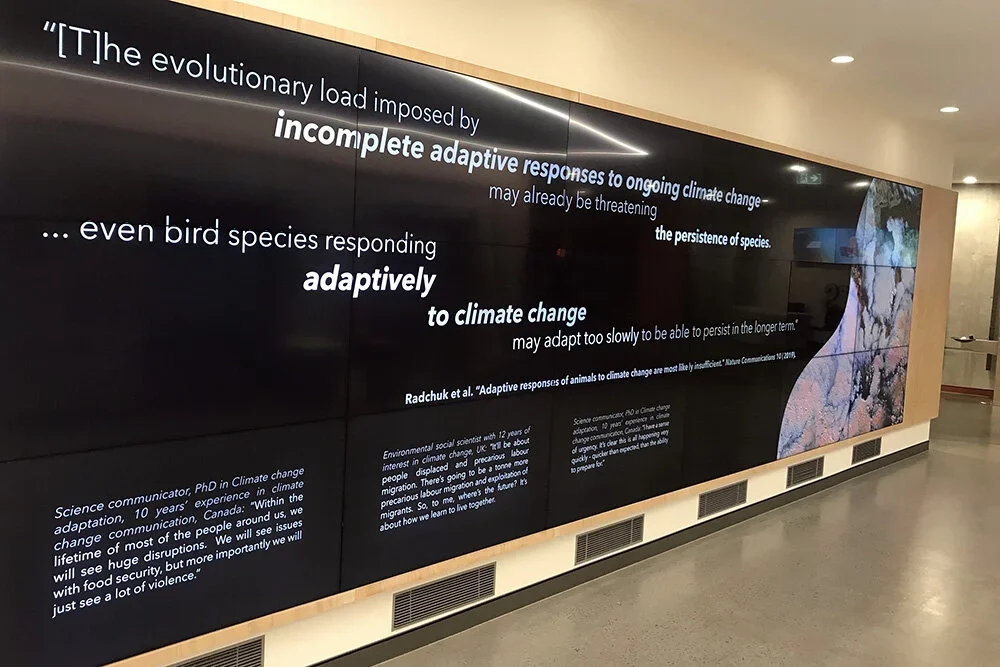
Fear, anxiety and climate change
Fear about the state of the world, and particularly about climate change, is one of the more reasonable responses available to it. This piece is about what a wiser relationship with that fear looks like: staying present to what is being lost without losing touch with what remains, since that is what frees up the energy to actually act. The basic paradox: everything is a mess, yet all is well.
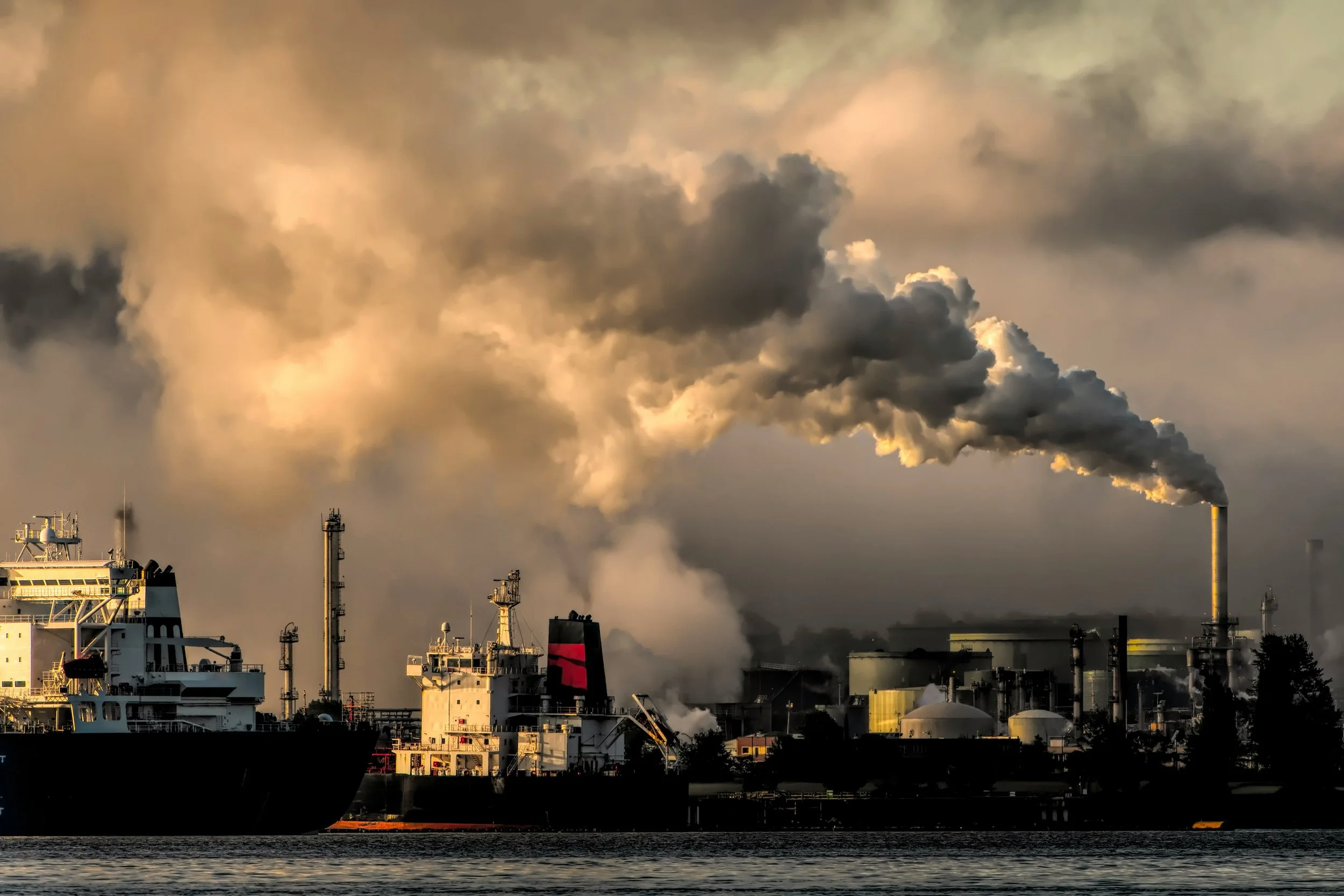
Why fossil fuel subsidies survive
Ending fossil fuel subsidies is one of the most direct ways to cut emissions, so why do they persist? The answer lies less in weak leadership than in the system around them: jobs, regional economies and public revenue all depend on arrangements that make reform genuinely difficult, which is how Australia has ended up funding the energy transition and the fuels it is meant to replace at the same time. This article looks at how that system works, why it defeats even reforms with broad support, and how a transition might be designed so that each step makes the next one easier, before dissatisfied voters are handed reasons to stop it altogether.
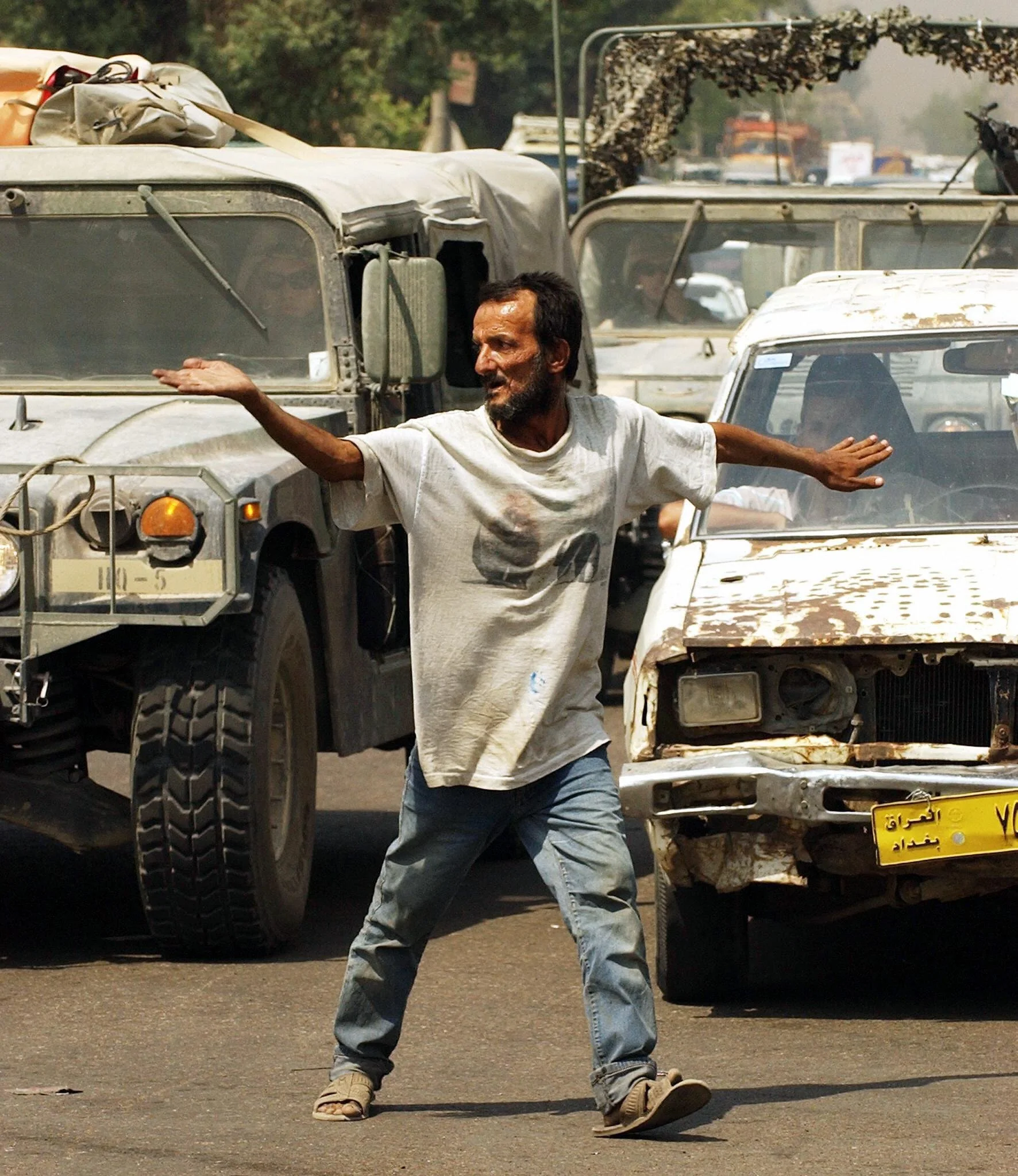
Urban collapse: what cities teach us when systems fail
Cities rarely collapse by emptying out. More often, the systems that make ordinary life possible become unreliable while most people stay where they are. Drawing on what I witnessed in Iraq after the fall of Saddam Hussein, Haiti after the 2010 earthquake and the Central African Republic during periods of armed insecurity — alongside wartime Sarajevo, post-Katrina New Orleans, crisis-stricken Beirut, declining Detroit and Havana during Cuba’s Special Period — this article looks at how people recreate movement, shelter, markets, security, information and governance when formal systems fail. Their improvisations can preserve life, but they also redistribute power. The question is not only how resilient our communities are, but what kind of order emerges when the old systems stop working, and what we can do now to shape it.
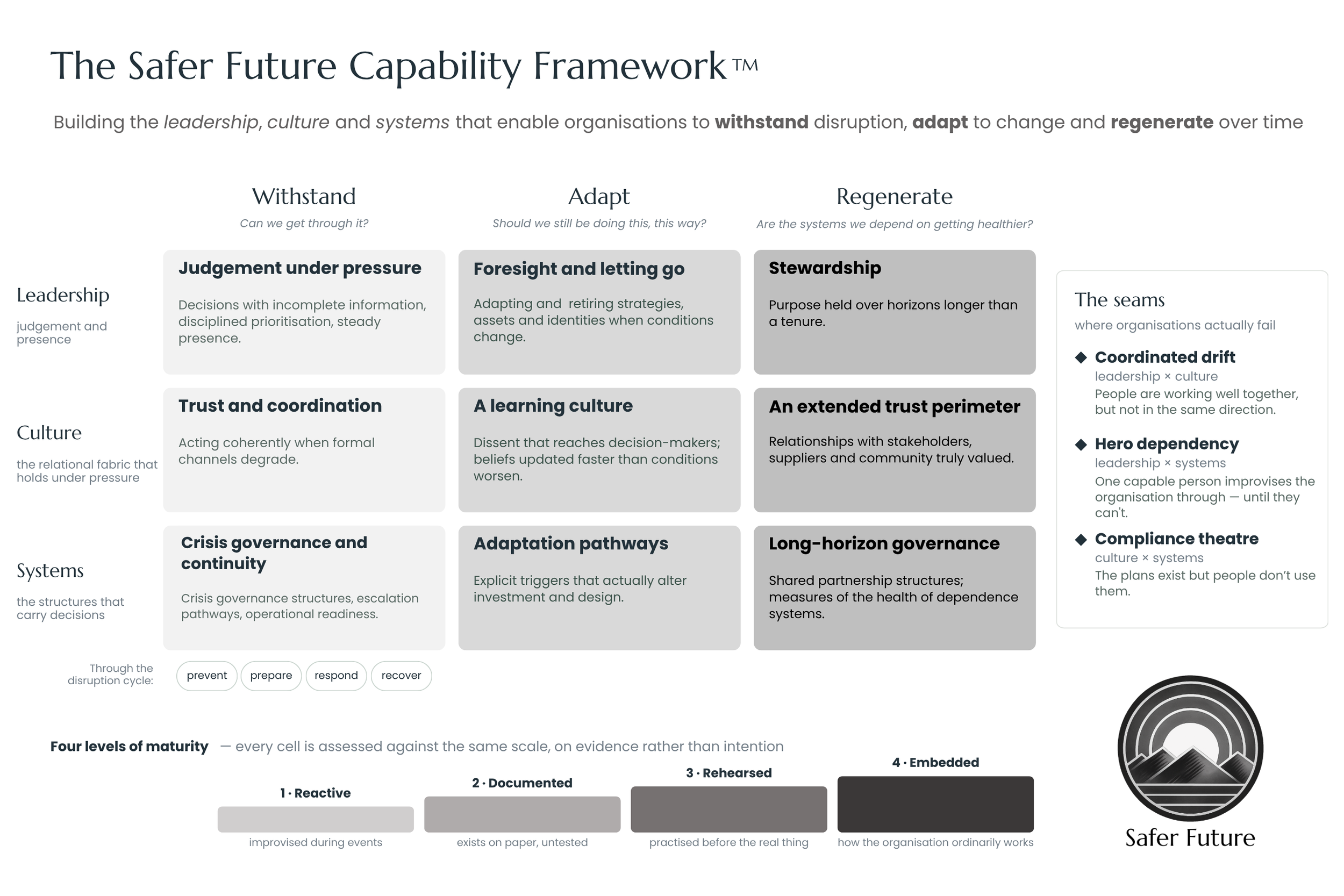
What carries an organisation through: a capability framework for disruption and uncertainty
Organisations often mistake documentation for preparedness. Plans and risk registers matter, but real capability lies in how leaders make decisions, how people work together and whether systems function when normal conditions fall away. The greatest weaknesses tend to sit between these areas rather than within any one of them. The Safer Future Capability Framework brings those three areas, leadership, culture and systems, together across three orders of capability: withstanding shocks, adapting to conditions that have changed, and regenerating the wider systems an organisation depends on.

How to manage the polycrisis
The polycrisis is not simply a collection of crises occurring at once, but a condition in which climate change, economic pressure, technological disruption, social instability and other risks increasingly interact and compound. For organisations, this means disruption may arrive indirectly, through systems and dependencies several steps removed from the original event, while risks that appear manageable in isolation can become far more serious when they converge. This article explores how leaders can move beyond static risk registers by mapping dependencies, testing combined scenarios, identifying hidden points of fragility and building crisis-ready capability across leadership, culture and systems.
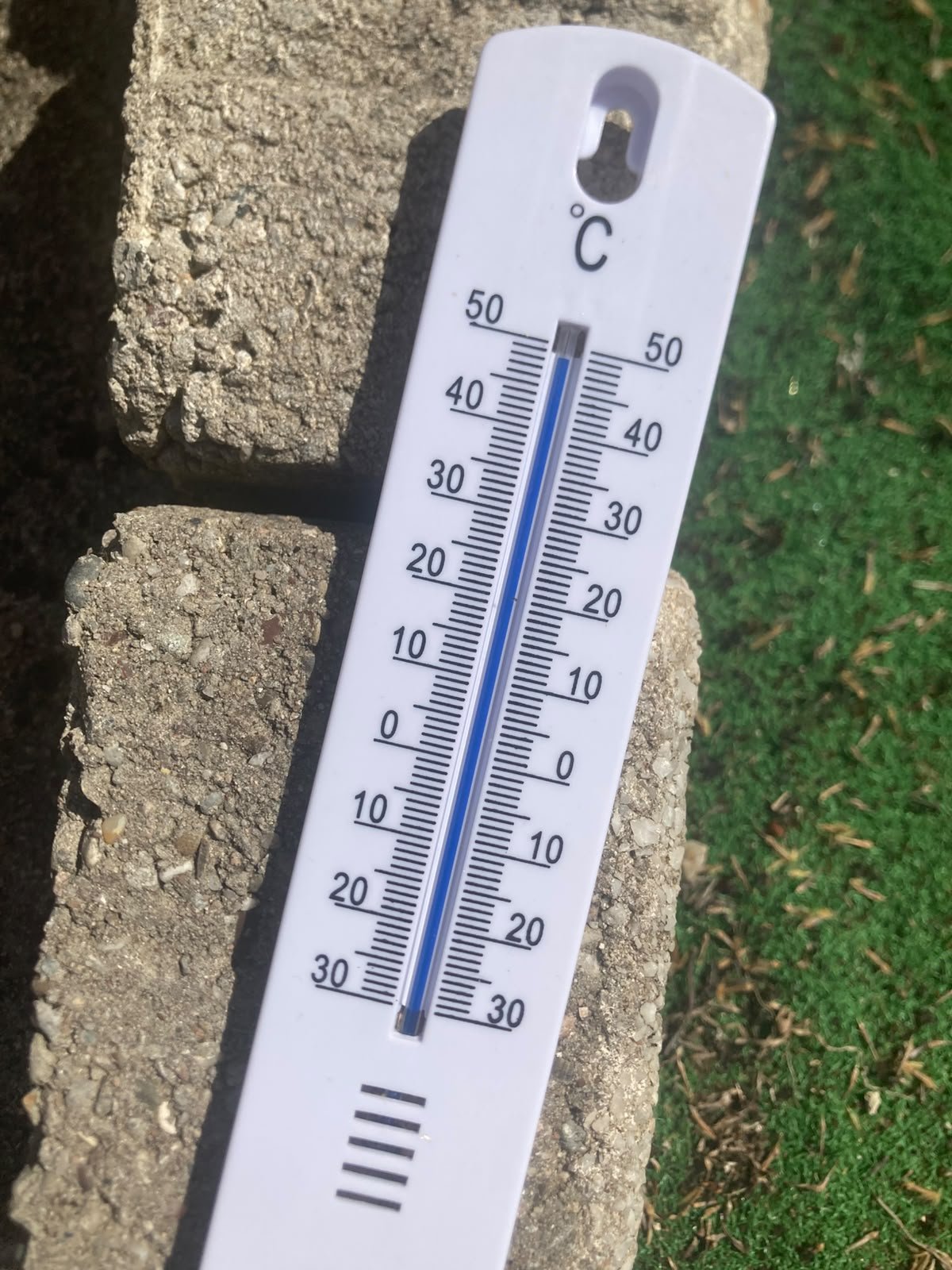
What can we learn from the sweltering heat in Europe?
On what Europe's heatwaves reveal about the gap between forecasting a disaster and preparing for one, and what an unusually warm Australian winter may be setting up.
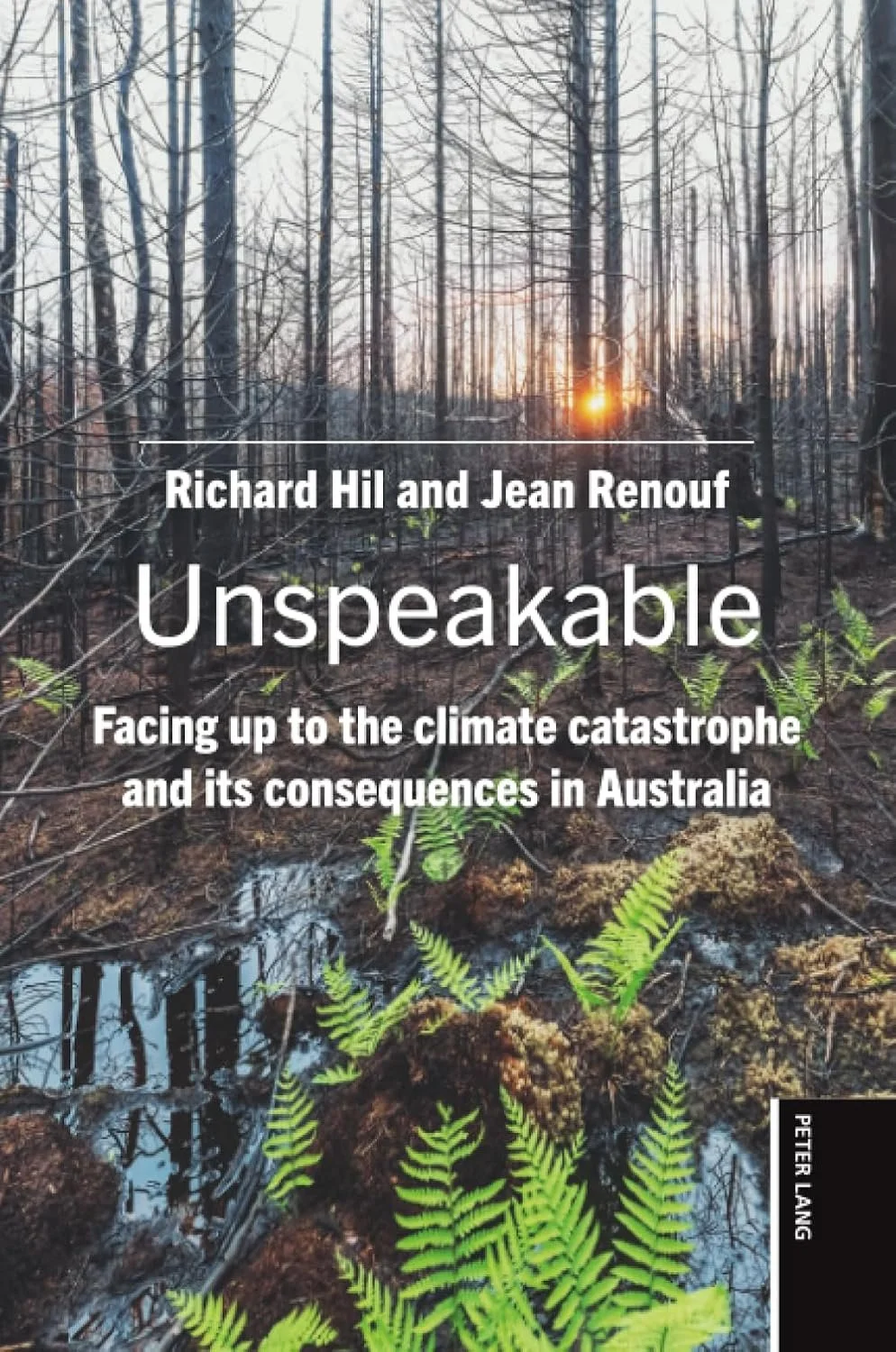
Speaking the unspeakable
Climate change has stopped being a distant risk and become the condition we now live inside. Unspeakable, the book I co-authored with Richard Hil, is about why that has grown so hard to say plainly, and about what becomes possible for a community once it manages to say it. This article offers an excerpt from the book, and sheds more light on what it explores and why we wrote it. Ultimately, it asks what it means to live within climate catastrophe, and how civic life and collective agency can emerge as the systems around us come under strain.
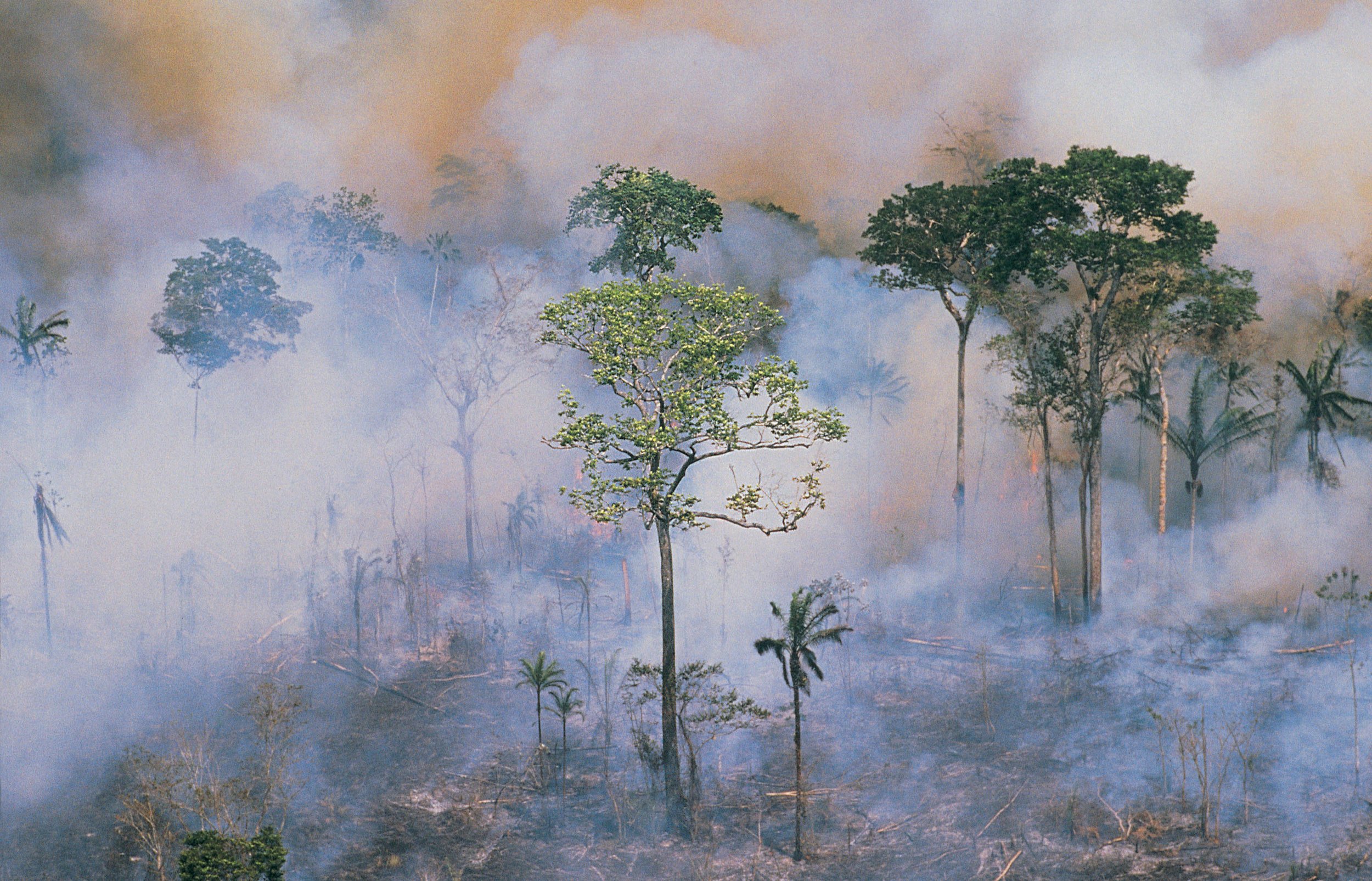
Why we need to bring disaster resilience and climate adaptation closer together
Disaster resilience and climate adaptation do different work. One helps a community get through the next flood or fire; the other asks what has to change so the next disaster does less harm. At the level of ideas they have converged, but the people who do the work, and the budgets and timeframes they answer to, mostly still sit apart, and a good deal of our future risk lives in that gap. This piece explains why the two belong in the same room.
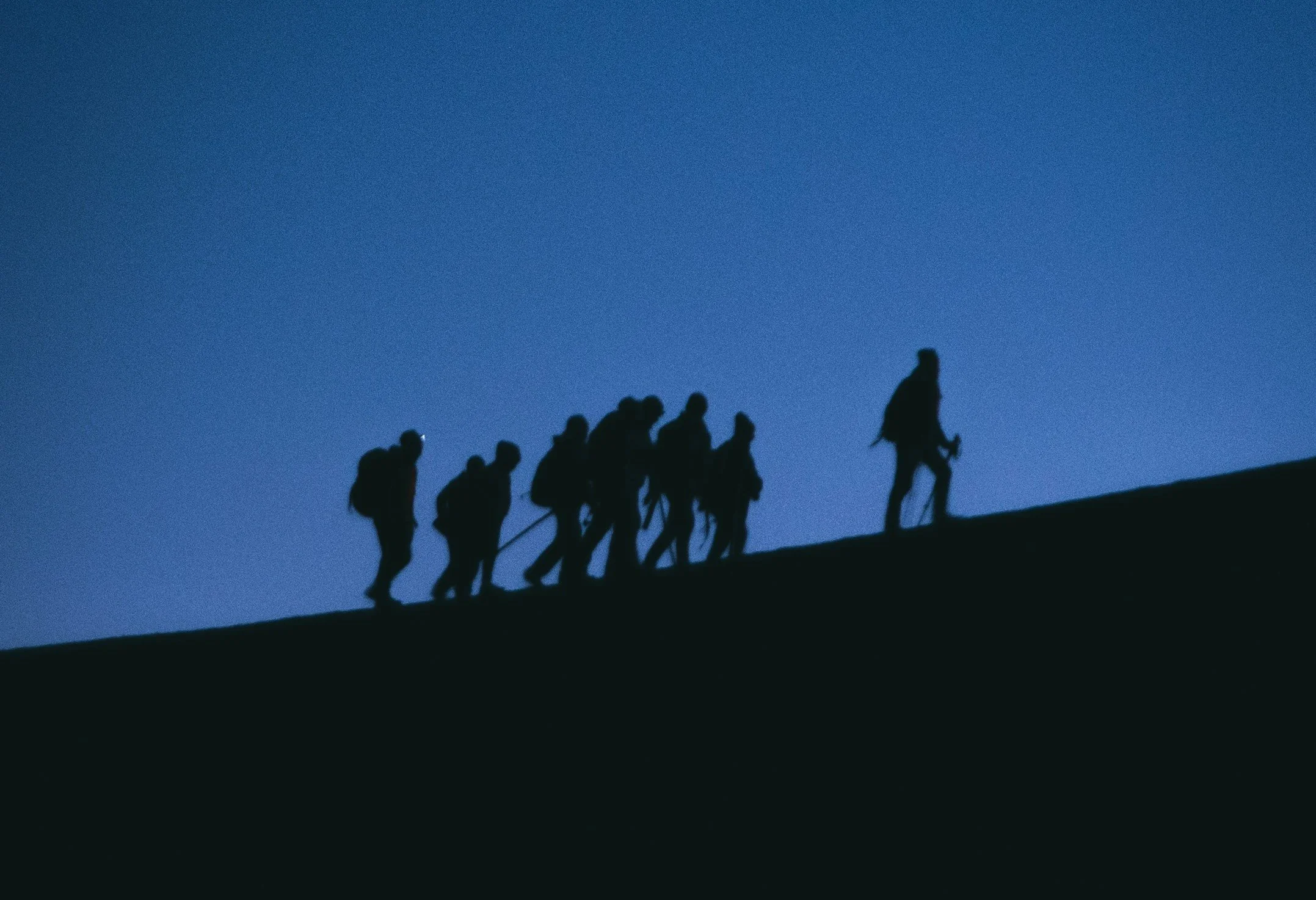
From burnout to aliveness: The case for regenerative leadership
Many leaders are driven by purpose, yet running on empty. At a time when organisations are facing growing complexity, perhaps the answer isn't doing more but leading differently. Drawing on insights from ecology, systems thinking and Taoist philosophy, this article explores regenerative leadership and asks what might change if we stopped treating organisations as machines and started seeing them as living systems.
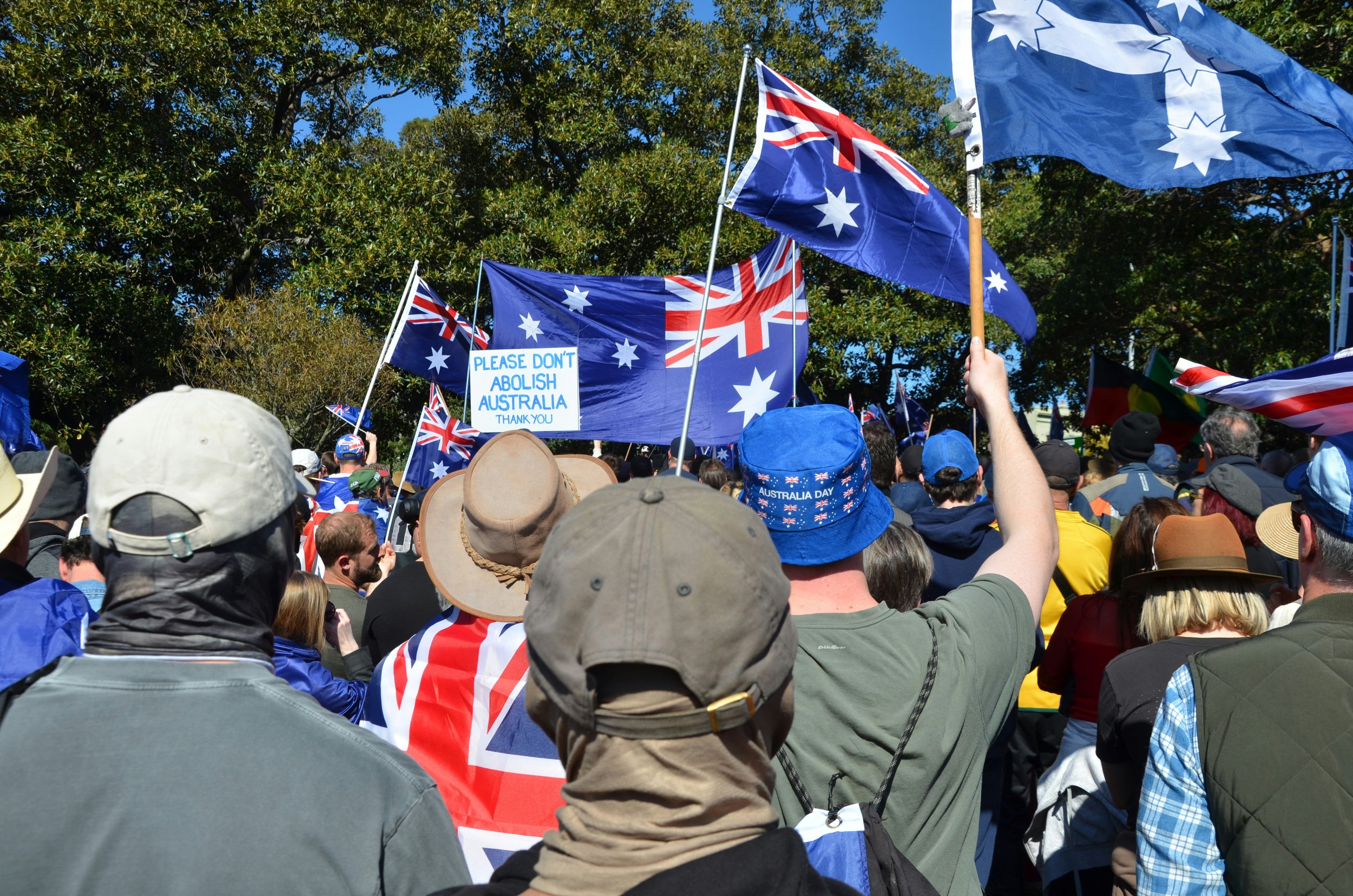
Why One Nation keeps finding an audience
The rise of anti-establishment politics may have less to do with ideology than with how Australians make sense of an age of disruption.

In defence of the toilet paper panic-buyers
The panic buyers of 2020 were behaving rationally and the research is now clear on this. Surveys of nearly 800 Australians found no "type" who stockpiled: no demographic, no personality trait, just ordinary people reading risk and acting on it. The failure was timing, not instinct. The good news is that there’s a way out of this conundrum so that any disruption becomes a top-up, not an emergency.
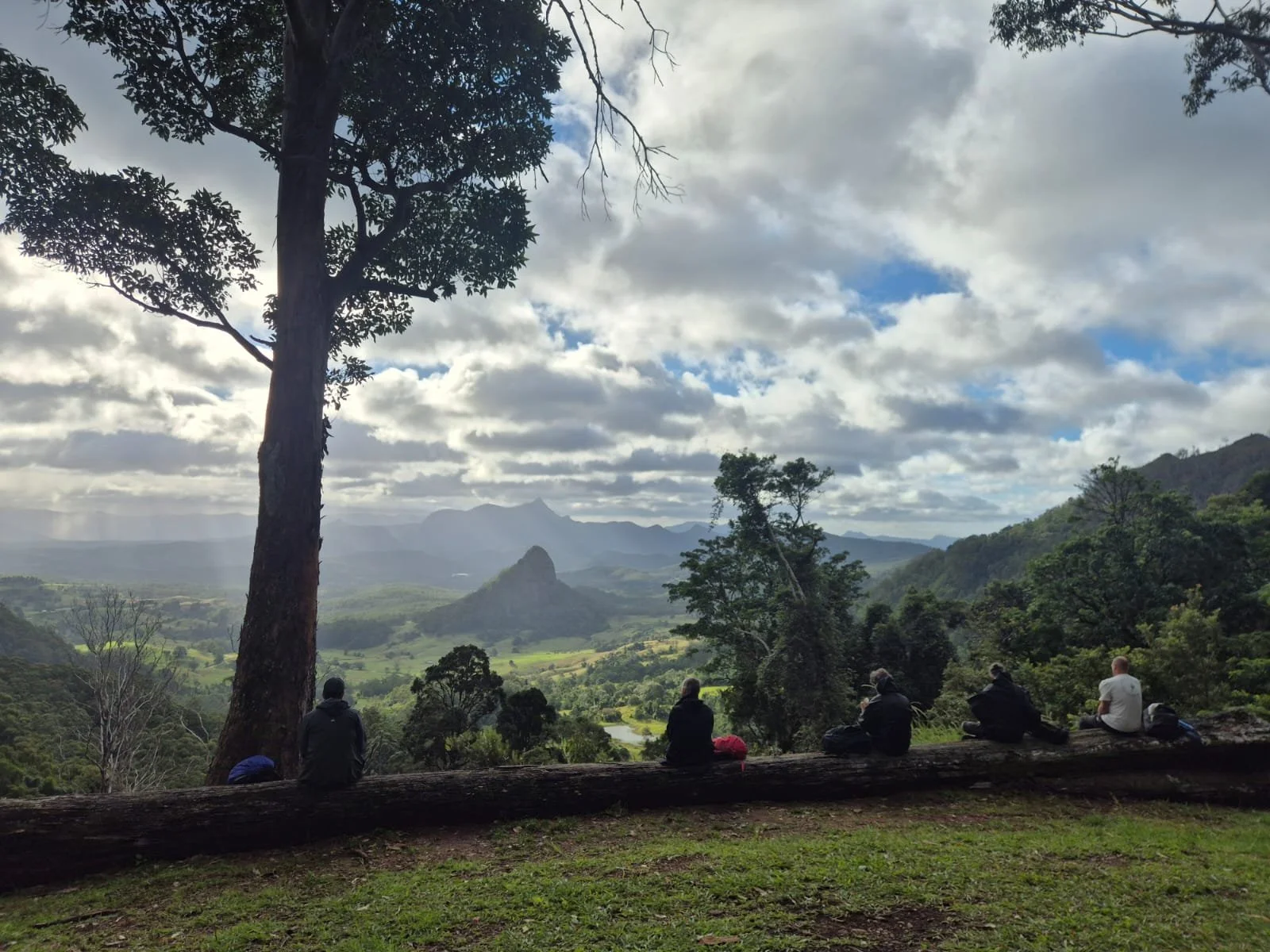
Men in crises, men in crisis
Men run toward disasters that others flee. They pull strangers from floodwater, walk into burning buildings, deploy into active conflict zones on missions that ask them to place the objectives of others above their own survival. This piece is about that courage — and about what we do not say alongside it. About what it costs, what it hides, and what becomes possible when men stop hiding it.
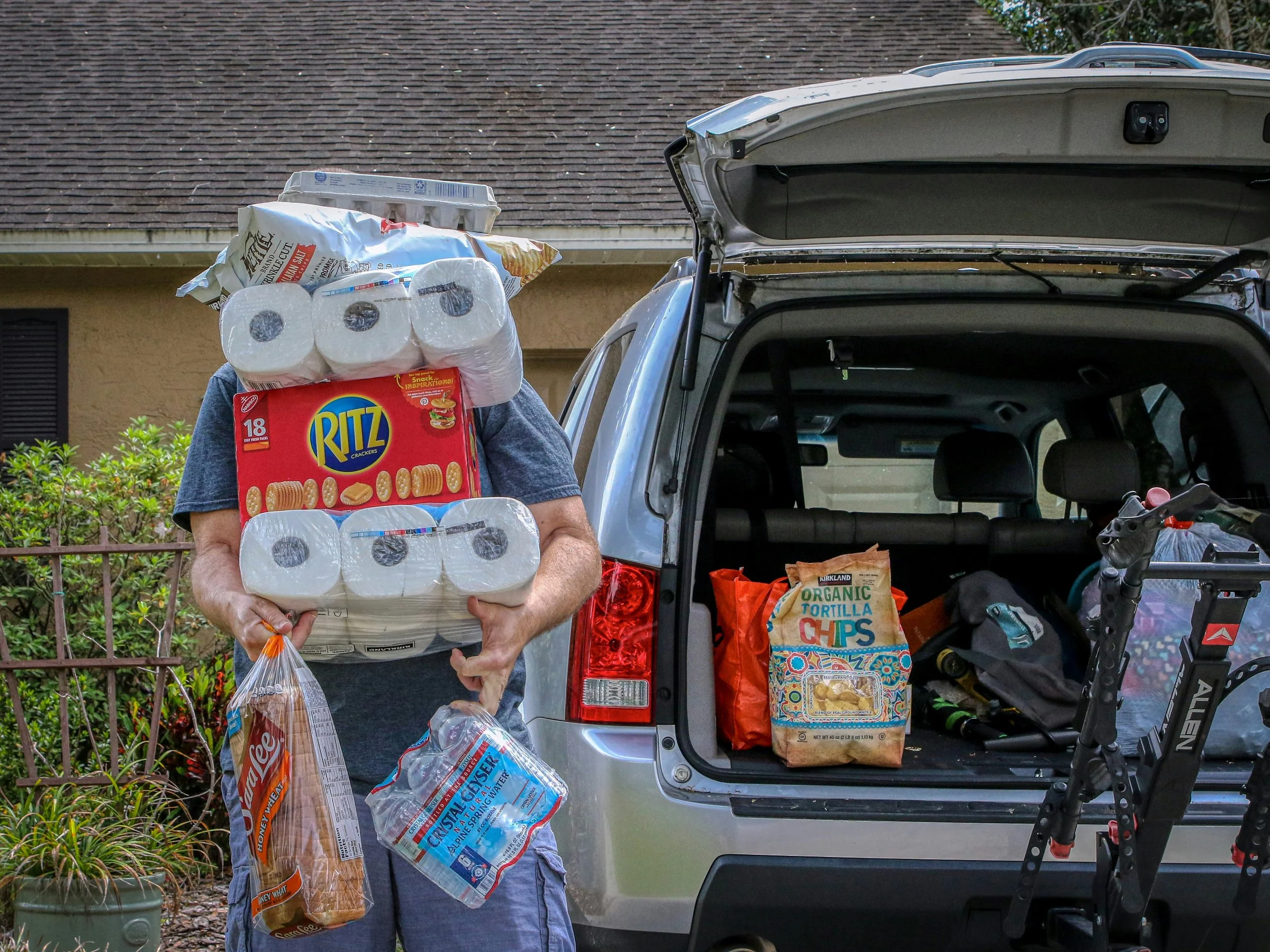
When Bunnings becomes essential infrastructure
When a major disaster is approaching, people don't reach to their resilience plan. They head to Bunnings, Woolworths, the local pharmacy and the hardware store. That behaviour reveals something important that the resilience conversation has largely missed: local businesses — large and small — are essential community infrastructure, and they are almost entirely absent from how we plan for disruption.

What security actually is — and why most people have it wrong
The way you understand who you are shapes the threats you perceive and the security measures you deploy. Those measures, in turn, reshape your identity. This is not a philosophical abstraction — it is a dynamic I observed directly in conflict zones across three continents, and it has direct implications for how we think about safety and security in the context of community resilience.