These insights are part of my Speaking the Unspeakable newsletter. They are for: the intellectually curious, the leaders, practitioners, and communities navigating disruption in real time. It is for those who need more than headlines—who are looking for deeper interpretation, practical implications, and ways to respond with clarity, presence, and responsibility in a changing world.
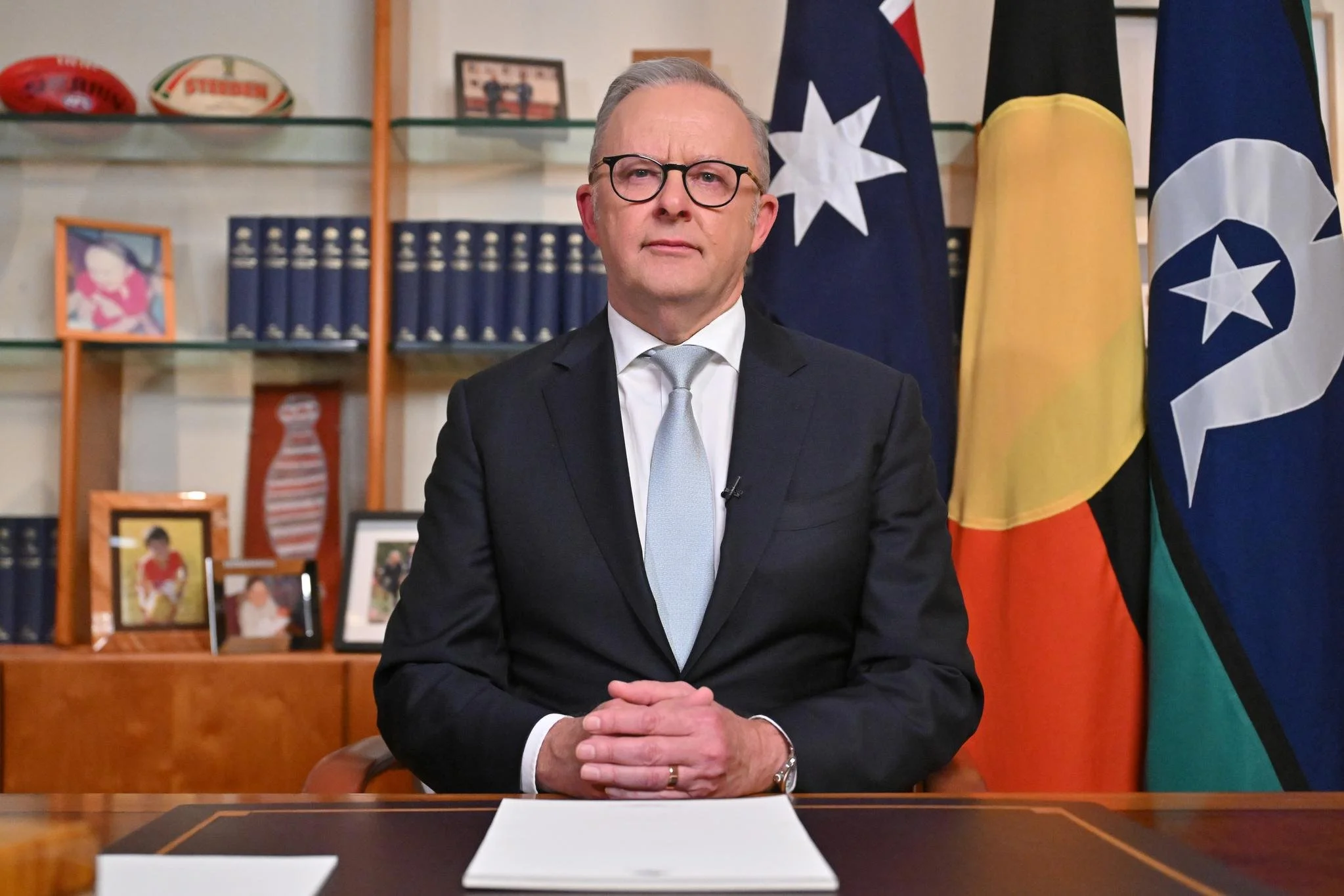
How bad could it get? Australia's converging crisis risks in 2026
The stressors converging on Australia right now — a threatened Strait of Hormuz, spiking fertiliser costs, AI, El Niño, financial fragility — are not arriving in sequence. They are arriving together, each reducing the margin available to absorb the others. This piece asks the question most analysis sidesteps: given what is already in motion, how bad could it actually get?

When presence changes the room
Some people are highly competent in a room and yet strangely absent. Others bring a quality of presence that steadies, deepens and changes what becomes possible. This piece explores effective presence, why it matters in leadership, facilitation and difficult conversations, and how it can be cultivated.
What AI misses when it matters most
When situations exceed the frameworks built to manage them, a different kind of capacity becomes relevant. This piece examines what that capacity is, why AI cannot replicate it, and why that gap is likely to matter more, not less, as conditions become less predictable.

Artificial intelligence and the limits of enthusiasm - a guide for Australian leaders
This article examines artificial intelligence not as a technology story but as a leadership challenge with a distinctly Australian dimension. It explores the genuine promise of AI alongside the deeper ethical and existential questions that leaders cannot yet fully resolve — but must begin to think through seriously, and the regulatory guardrails now in place in Australia. It ends with a practical orientation for organisations that want to engage with AI deliberately rather than reactively.

Navigating uncertainty and misinformation: how to think clearly when everything feels unstable
This article explores how uncertainty and misinformation are reshaping how we understand the present, and why sensemaking has become a critical capability. It proposes a practical framework based on clarity, decision, and stability to help individuals and organisations navigate complexity without becoming overwhelmed.
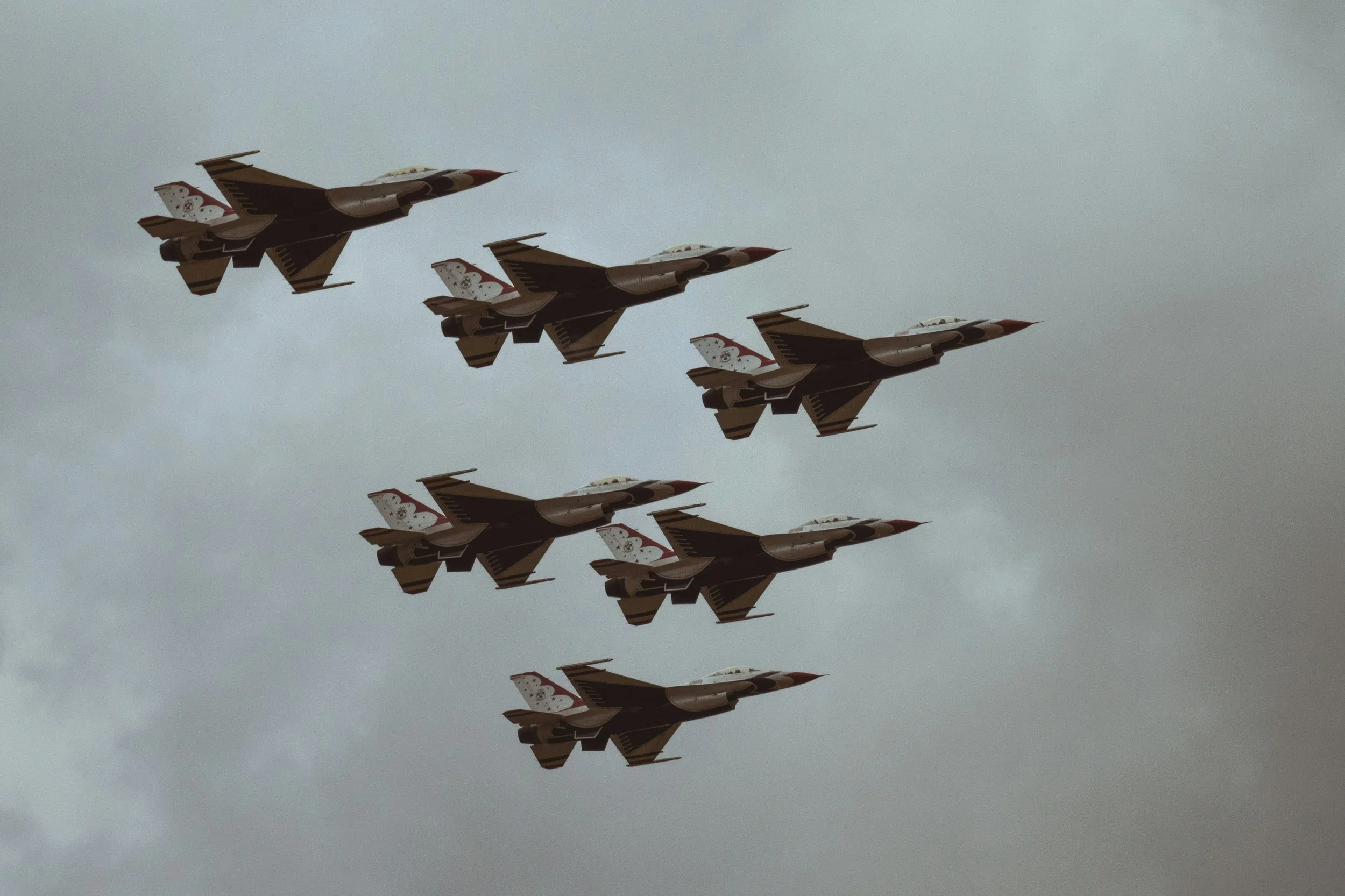
What the war in Iran reveals about system shocks and cascading risks
This article explores how the current war involving Iran can be understood as a system shock, with cascading effects across energy markets, supply chains, geopolitics, and public health. Rather than viewing such crises as isolated events, it argues that they propagate through interconnected systems, creating ripple effects far beyond their point of origin. In this context, the challenge for leaders and organisations is not only to respond to immediate impacts, but to develop the capacity to anticipate, interpret, and navigate cascading risks in an increasingly unstable global environment.

A decade of disruption? Reflections on geopolitics, climate, and resilience
This article explores how the coming decade is likely to be shaped not by isolated crises, but by the convergence of multiple disruptions, including climate change, geopolitical instability, technological acceleration, and economic volatility. It argues that these pressures are not temporary shocks, but part of a longer-term shift toward sustained instability, requiring individuals and organisations to move beyond reactive responses. In this context, the focus shifts from predicting specific events to building the capacity to live, adapt, and lead within ongoing disruption, with resilience understood as a capability grounded in leadership, relationships, and systems.